01 / CAMBRIDGE SKIN & HAIR CLINICS
Your confidence.
Your care.
Explore skin, hair and body care in Cambridge with a clearer understanding of your options. From changes in hair density to localised body concerns, start with information that helps you ask the right questions.
Your goals deserve more than a treatment name. Discover our approach to individual assessment, explore dedicated treatment information and prepare for a consultation that considers your circumstances, expectations and next steps.
HAIR & SCALPIndividual assessment. Clear information. Time to decide.

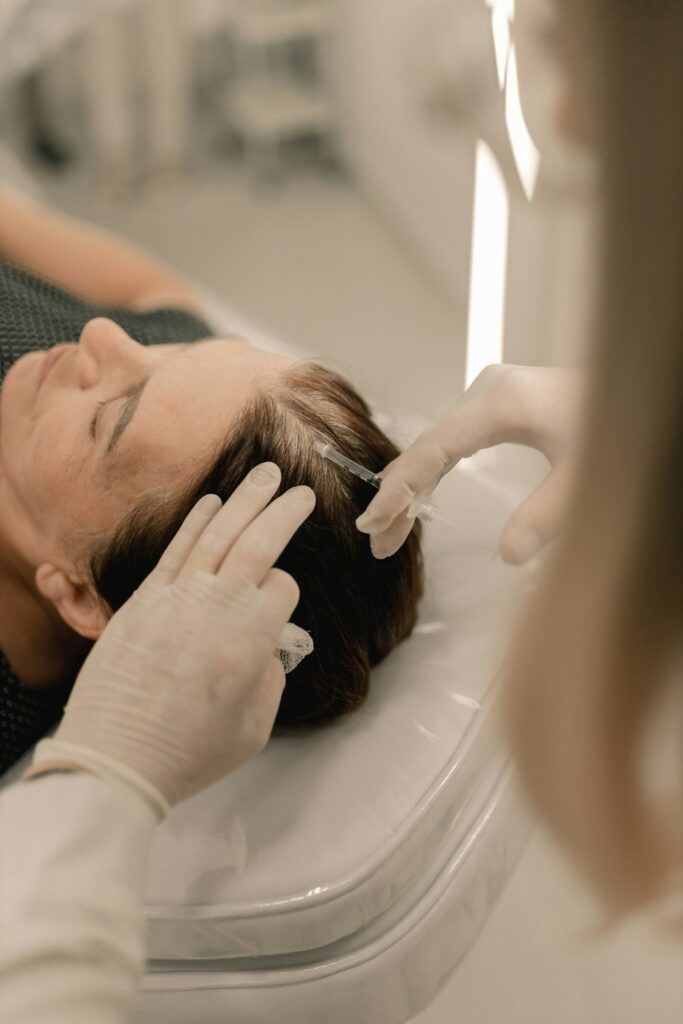 HAIR & SCALP CARE
Confidence.
02 / FIND YOUR STARTING POINT
Different concerns.
One thoughtful starting point.

Changes in your skin, hair or body can affect how comfortable you feel in everyday life. You may have noticed more hair in your brush, a widening parting, a persistent skin concern or an area of fullness that has become difficult to ignore. You do not need to arrive knowing the name of a treatment. Start by describing what has changed, when it began and what you would like to understand.
At Cambridge Skin & Hair Clinics, this website is designed to help you explore your concerns before making an enquiry. Browse our skin and body treatment information or visit our hair restoration pages to understand the questions that matter. A useful conversation considers your priorities alongside your health history, existing routines and previous experiences.
Use the treatment pages as a starting point for discussion. They should help you compare options and prepare for an assessment, rather than encourage you to choose a procedure from a photograph. Your next step should feel clear and manageable: explain your concern, request the relevant information and establish whether a consultation is appropriate.
Discover our approach ↗03 / SKIN & BODY
Skin and body care.
With a clearer perspective.
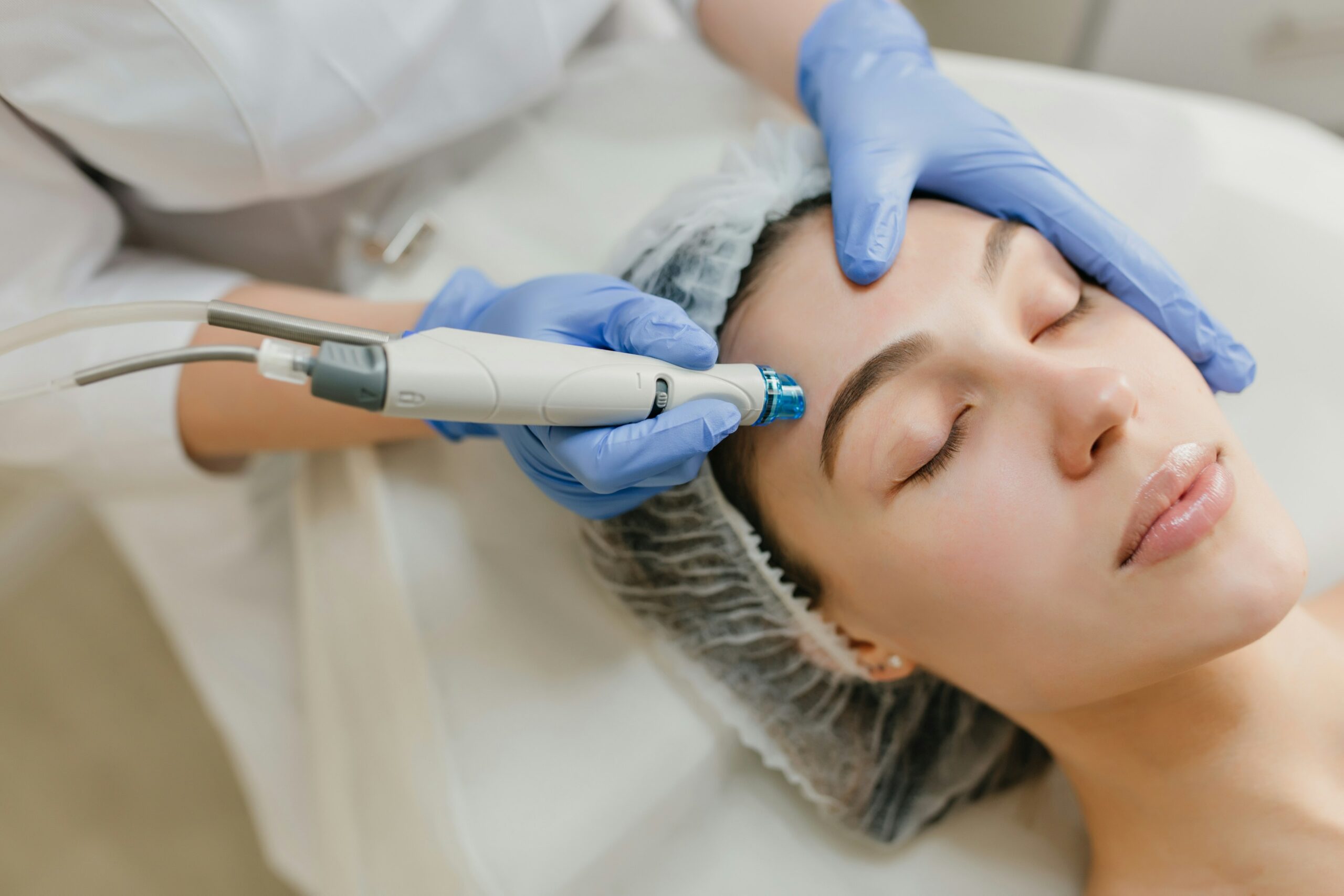
Skin and body concerns are personal. The same change can mean something different to each person, and a treatment that suits one individual may not suit another. Begin with the area you want assessed, the outcome you are hoping for and any practical considerations around work, travel or recovery. This gives a consultation a useful focus without assuming that a procedure is the answer.
Our skin and body information includes Aqualyx and the questions to consider when exploring treatment for selected localised fat deposits. Read about the purpose of treatment, the assessment process and the importance of understanding limitations. Ask which concerns the proposed option can reasonably address and which concerns require a different approach.
Bring details of previous cosmetic procedures, current medicines, allergies and relevant medical history. Explain any upcoming events that could affect timing. A clear plan should set out what is proposed, why it is being considered, what aftercare involves and how you can raise questions afterwards. You should have time to review that information before deciding whether to proceed.
Explore skin & body treatments ↗04 / HAIR & SCALP
Understand the change.
Before choosing the treatment.
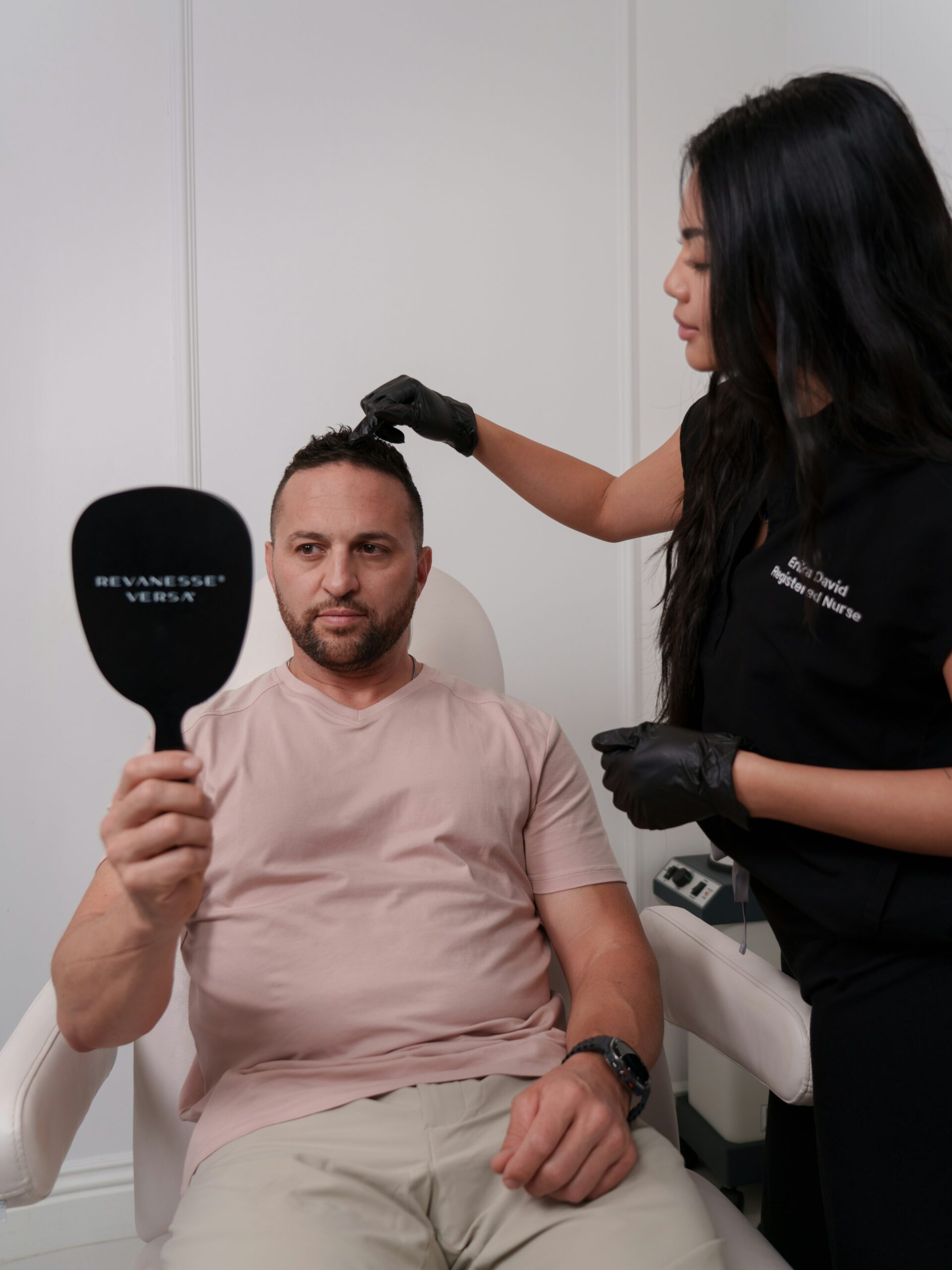
Hair concerns often begin with small observations: a change in density, a different hairline, more visible scalp or shedding that feels unusual for you. These descriptions are helpful starting points, but they do not establish a diagnosis. An assessment should explore the pattern and timing of the change, the condition of your scalp and any relevant health or treatment history.
Our hair restoration information helps you prepare for that discussion. Consider when you first noticed the concern, whether it has changed gradually or suddenly, and whether you have tried medicines, supplements or cosmetic treatments. Photographs taken under similar lighting may help explain your observations, but they cannot replace an examination.
The most useful treatment conversation starts with the likely cause and the available options. Ask what evidence supports a recommendation, what response can realistically be expected and how progress would be reviewed. Discuss the cost of the complete plan, including any follow-up or maintenance that may be proposed. If further medical investigation is needed, understand that next step before committing to a commercial hair treatment.
Explore hair restoration ↗05 / TREATMENT SPOTLIGHT
Aqualyx.
Look beyond the treatment name.

If you are exploring Aqualyx, begin with a specific question: is this approach appropriate for the area and concern you want assessed? Our dedicated skin and body page introduces the treatment and provides a framework for a more informed consultation. An individual assessment matters more than a general description or an image of someone else.
Ask the treating practitioner to explain the intended purpose, the product being used, their relevant qualifications and experience, and the alternatives available to you. Discuss potential benefits alongside possible side effects, complications and recovery requirements. Request clear information about how concerns after treatment would be handled and who you would contact.
Your quotation should explain the proposed treatment area, the expected number of appointments if known, review arrangements and what is included in the price. Do not assume that a headline price describes the complete plan. If your goals, suitability or timing remain uncertain, ask for clarification and take time to consider the recommendation. A consultation should leave you better informed, including when the appropriate decision is to postpone treatment or choose another option.
Explore skin & body treatments ↗06 / HAIR TREATMENT QUESTIONS
New possibilities.
Careful questions.

Hair restoration searches can introduce unfamiliar terms, including exosomes and regenerative approaches. New terminology can make it difficult to distinguish an established treatment from an emerging idea. Our hair treatment page includes information about exosomes to support a more careful discussion of evidence, limitations and the questions to ask before making a decision.
Do not use a treatment name, a laboratory explanation or a promotional photograph as proof of a predictable result. Ask about the exact product and procedure being discussed, its regulatory position for the intended use, the quality of the clinical evidence and the practitioner responsible for your care. Clarify whether the proposed option is actually available through the clinic rather than assuming that an educational page is a treatment offer.
A meaningful comparison should also consider established alternatives, the option of further investigation and the possibility of choosing no procedure. Ask how outcomes would be measured and what happens if the response differs from expectations. Our aim is to make the information easier to navigate so your next conversation is focused on your circumstances, rather than the appeal of a new treatment trend.
Explore hair restoration ↗07 / YOUR CONSULTATION
A clear process.
From concern to next step.

Start with your story. Explain the changes you have noticed and what prompted you to seek advice now. Describe your goals in everyday terms, whether that means understanding hair shedding, exploring a body concern or deciding which treatment information is relevant. Share previous assessments and treatment experiences, including anything that did not meet your expectations.
Next, establish the facts. Confirm who will assess you, where the appointment will take place, what it costs and whether any preparation is required. Bring an up-to-date list of medicines and relevant health information. Ask what the consultation can establish and whether further examination, investigation or referral may be needed before a recommendation is made.
Then review your options. A useful explanation covers the proposed approach, alternatives, expected limitations, practical recovery considerations and the complete cost. Ask for written information when you need time to think. Before any procedure, clarify consent, aftercare, follow-up and how to contact the treating team. You should understand the next step and feel able to ask questions, pause the process or decide that treatment is not right for you.
Plan your consultation ↗08 / PLANNING YOUR CARE
More than an appointment.
A plan you understand.
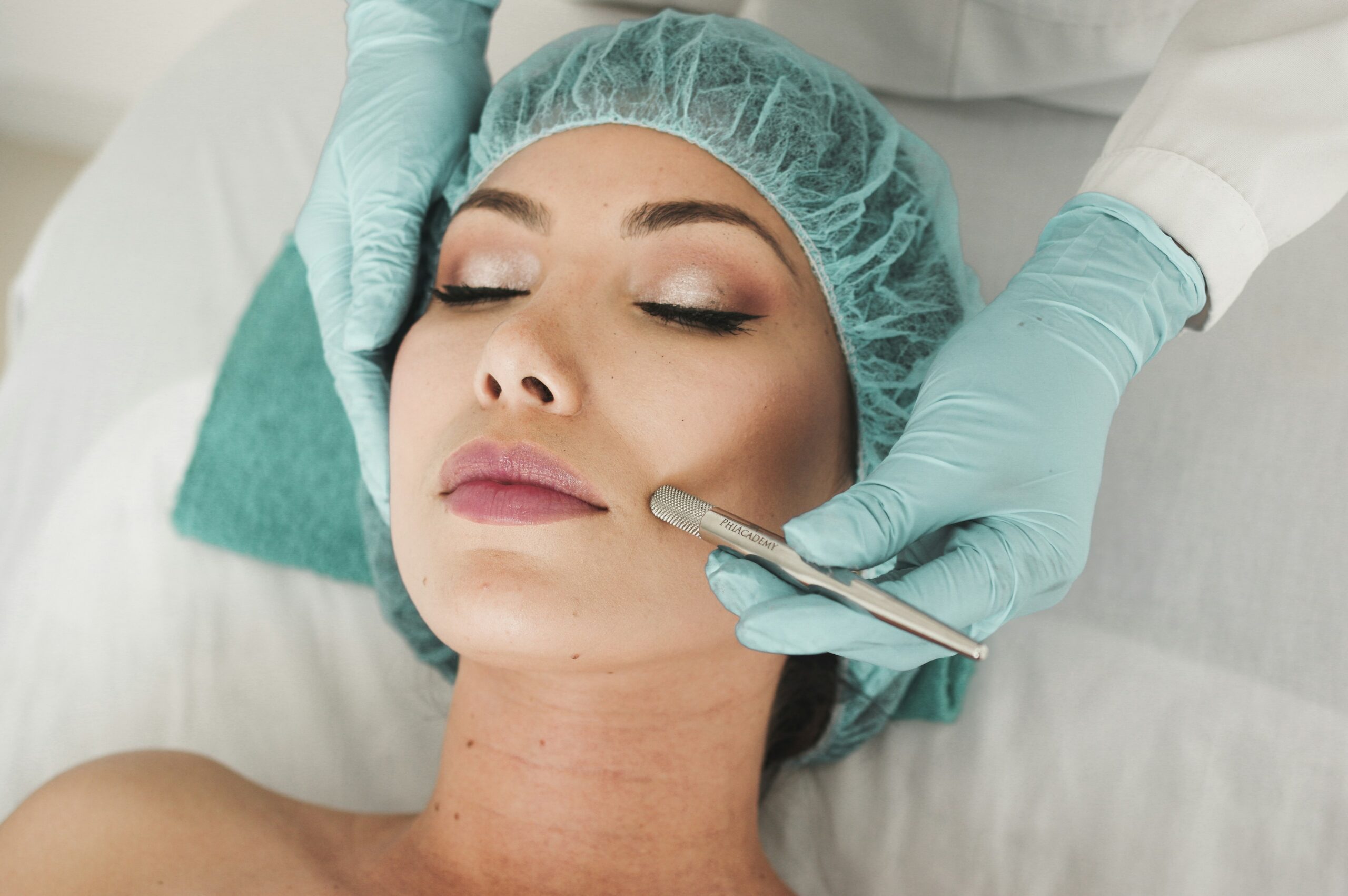
Good planning makes a treatment discussion more useful. Think about the time you can set aside for appointments and recovery, the questions you want answered and the budget you are comfortable considering. These practical details should be part of the conversation from the beginning. A treatment plan should fit your circumstances as well as the concern being assessed.
Ask how progress will be recorded and when a review would take place. If photographs are proposed, clarify their purpose, how they will be stored and whether any separate permission is requested for promotional use. Do not assume that agreeing to clinical photography also means agreeing to public sharing. Discuss the arrangements directly with the treating provider.
Before leaving an appointment, make sure you know what instructions to follow, whom to contact with questions and when further advice may be required. Keep copies of your treatment information and quotation so you can review them without pressure. Clear communication is valuable at every stage: before a booking, during an assessment and after any treatment. The objective is a care journey you can understand and participate in confidently.
Plan your consultation ↗09 / YOUR QUESTIONS, ANSWERED
Useful answers.
Before you book.
Practical details help you make a more confident decision. These answers explain how to use the website and what to clarify directly with the clinic.
Which treatment should I enquire about?
Start with your concern rather than a procedure name. Use the skin and body or hair restoration pages to explore relevant information, then describe the changes you have noticed when contacting the clinic. Ask which assessment would be most appropriate before booking a treatment.
Can I receive a treatment recommendation online?
Website information can help you prepare, but it cannot confirm your diagnosis or suitability. Ask the clinic what an assessment involves and whether an in-person appointment or further medical information is needed. A photograph or short enquiry alone may not answer the questions required for a responsible recommendation.
How much will my treatment cost?
Request an individual written quotation. Confirm consultation fees, the proposed procedure or sessions, review appointments and any ongoing costs. Pricing should be explained before you commit, with a clear description of what is included and which additional charges could apply.
Are the photographs actual patient results?
The homepage uses stock photography to introduce our care information. These photographs do not show Cambridge patients, practitioners, treatment rooms or treatment outcomes. Ask directly about any clinical photographs used during a consultation and the context needed to interpret them.
Where will my appointment take place?
Confirm the treatment venue directly before travelling. The registered office address shown in the footer should not be treated as confirmation of an appointment location. Request the full venue details, arrival instructions and the name of the practitioner you are booked to see.
What if I am unsure about proceeding?
Take time to review the information, ask further questions and compare your options. You can request clarification about evidence, risks, alternatives or costs before making a decision. A treatment discussion should support an informed choice, including the choice to wait.
10 / TAKE YOUR NEXT STEP
Tell us your concern.
Start with a conversation.
Whether you are exploring hair restoration, researching Aqualyx or simply looking for a clearer starting point, visit our contact page to make an enquiry. Explain your main concern and the information you would like before booking. Please avoid sending sensitive medical details through an unconfirmed contact channel. Confirm the appointment venue, fees and practitioner details directly so you know what to expect.